In the competitive digital landscape of 2026, Core Web Vitals and page loading speeds have become the most critical ranking factors for Google. Research shows that a 100-millisecond delay in website load time can decrease conversion rates by 7%. The primary culprit behind slow websites? Unoptimized, high-resolution images.
If you are a blogger, an e-commerce owner, or a web developer, understanding how to balance visual quality with file size is no longer optional—it is a survival skill. Today, we will dive deep into the world of Image Optimization and how you can use tools like tools.nuri.uno to dominate the search engine results.
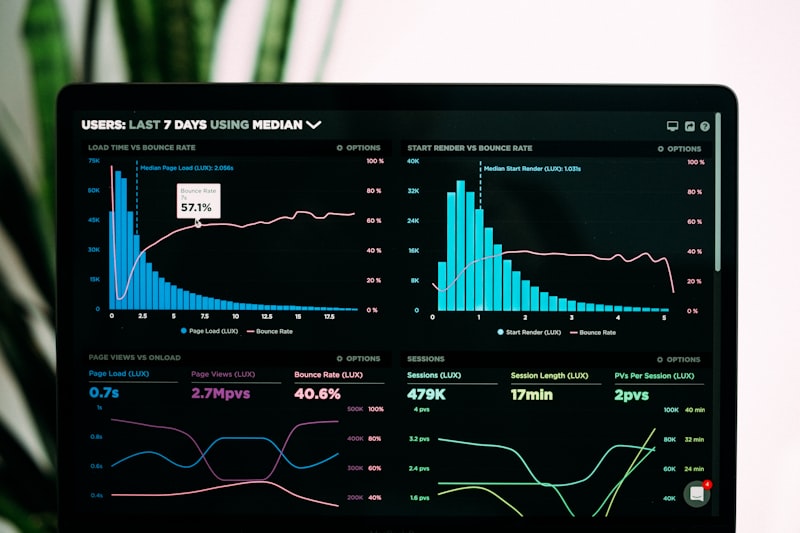
Optimization is the key to balancing aesthetics and performance.
1. Understanding Compression: Lossy vs. Lossless
To optimize images effectively, you must first understand the two primary methods of data reduction:
Lossy Compression
Lossy compression works by permanently removing some of the data from the image. It targets information that the human eye is less likely to notice. While this results in a significantly smaller file size, repeated saving can lead to "generation loss" or artifacts. This is the standard for JPEG files used on websites where speed is the priority.
Lossless Compression
Lossless compression reduces file size without any loss in visual quality. It works by removing redundant metadata or optimizing the way data is stored. PNG and GIF are the classic examples. While the quality is perfect, the file sizes are often too large for high-traffic websites.
2. Choosing the Right Format in 2026
Not all formats are created equal. Choosing the wrong one can bloat your server response time (TTFB):
- JPEG (Joint Photographic Experts Group): Best for photographs and complex scenes with many colors. Always use an Image Compressor to keep JPEGs under 150KB.
- PNG (Portable Network Graphics): Best for logos, icons, and images requiring transparency. Warning: Avoid using large PNGs for full-width website headers.
- WebP & AVIF: These are the next-gen formats. They provide superior compression compared to JPEG and PNG. In 2026, Google rewards sites that transition to these formats.
The Secret of "Save for Web"
Most modern cameras take photos at 72 DPI or 300 DPI with dimensions of 4000px+. Your website sidebar only needs 300px width. Always Resize your images before you Compress them. Using tools.nuri.uno, you can ensure your images are exactly the size they need to be, saving megabytes of bandwidth.
3. The SEO Impact: Beyond Just Loading Speed
Google’s Image Search is a massive source of organic traffic that many webmasters ignore. Proper optimization includes more than just file size:
Descriptive Filenames
Don't upload IMG_8821.jpg. Instead, use keywords: best-pdf-compressor-online.jpg. This tells search engine crawlers exactly what the image represents.
Alt Text (Alternative Text)
Alt text is vital for accessibility and SEO. It allows visually impaired users to understand the image via screen readers and helps Google categorize your content. Make sure your Alt text is descriptive but not "keyword stuffed."
4. Why Browser-Based Optimization is Better
Many people still rely on heavy desktop software like Photoshop for simple tasks. However, in 2026, Online Image Tools have become sophisticated enough to handle professional requirements. Using tools.nuri.uno offers several advantages:
- No Installation: Save your RAM and disk space for other tasks.
- Speed: Our local-browser processing is often faster than launching a heavy application.
- Privacy: Your photos stay on your device. We process the pixels locally, meaning your private memories or sensitive business graphics are never stored on our cloud.
Final Thoughts
Image optimization is an art and a science. By reducing file sizes, choosing the correct formats, and ensuring proper SEO practices, you create a faster, more accessible, and more profitable website. Don't let heavy images hold your business back.
Ready to speed up your site? Head over to tools.nuri.uno and start optimizing your digital assets for free today!